Tree pruning in Edmonton: practical, seasonal care for healthier trees and safer properties
Why tree pruning matters for Edmonton properties

Tree pruning in Edmonton is more than a routine yard task. In a city with long winters, sudden wind, heavy snowfall, and a mix of mature neighbourhood trees and newer landscape plantings, pruning plays a major role in keeping trees healthy, attractive, and manageable. Proper pruning helps reduce storm damage, improves branch structure, encourages strong growth, and can make your property easier to maintain through every season.
For homeowners, pruning is often about protecting the trees that frame a front yard, shade a backyard deck, or sit close to driveways, garages, and sidewalks. For commercial properties, it can be about safety, visibility, building clearance, and maintaining a neat, professional appearance. Whether you manage a character home in Glenora, a family property in South Edmonton, a townhouse complex in The Meadows, or a retail lot near Whyte Avenue or along a busy arterial road, tree pruning can help the landscape look cared for without creating future problems.
Edmonton trees experience unique stress. Freeze-thaw cycles, dry periods, compacted soil, salt exposure near roads and parking areas, and branch breakage from snow load can all affect tree health. That is why pruning should be done with local conditions in mind, not as a one-size-fits-all job. A thoughtful approach helps preserve the tree’s natural shape while removing weak, damaged, or poorly placed limbs that could become costly later.
What tree pruning can help with
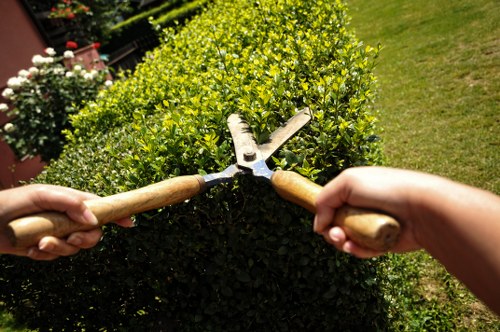
Pruning is often requested for a specific reason, but the benefits usually go beyond one issue. A well-timed pruning service can improve the entire tree and reduce maintenance headaches around the property. If you are comparing options for tree pruning Edmonton property owners can rely on, it helps to know what the service is designed to do.
Common reasons people request pruning include broken branches after winter storms, branches rubbing against roofs or siding, limbs hanging over fences or walkways, trees growing too close to power lines, and branches blocking sunlight from lawns, gardens, or windows. In many neighbourhoods, trees also need selective thinning so they do not become too dense and catch too much wind or snow.
Pruning can also support long-term tree structure. Young trees benefit from early shaping so they develop sturdy branch spacing and a strong central form. Mature trees may need crown cleaning, deadwood removal, or reduction pruning to keep their canopy balanced and reduce the chance of limb failure. In some cases, pruning is also useful for improving clearance for vehicles, outdoor seating areas, or commercial loading zones.
Types of pruning services for Edmonton trees

Different trees and different properties need different techniques. A service focused on tree pruning in Edmonton should be able to adjust the approach based on species, size, location, age, and health. The goal is never to remove more than necessary. It is to remove the right material at the right time for the tree’s future growth.
Crown cleaning
Crown cleaning involves removing dead, dying, broken, diseased, or weakly attached branches. This is one of the most common pruning requests because it helps reduce hazards while improving the appearance of the tree. It is especially useful after winter, when storm damage may not be obvious until the snow melts.
Crown thinning
Crown thinning removes selective live branches to reduce canopy density without changing the overall shape too much. This can improve airflow, reduce wind resistance, and let more light through. On larger Edmonton properties, it can also make mature trees feel less heavy and help lawns and understory plants get more light.
Crown reduction
Crown reduction shortens the height or spread of a tree by cutting back to lateral branches that can take over the growth. This is used when a tree is outgrowing its space or interfering with buildings, fences, or overhead lines. It should be done carefully to avoid stressing the tree or creating awkward regrowth.
Structural pruning
Structural pruning is often used on younger trees to shape the tree early. This can prevent future problems such as weak branch unions, crowded scaffolding, or limbs that grow too low over sidewalks and driveways. For many homeowners, this is a smart investment because it reduces the need for more aggressive work later.
Deadwood and hazard branch removal
This service targets branches that are already dead, cracked, or failing. In Edmonton, that can be especially important when trees are close to homes, detached garages, patios, play areas, and parking stalls. Removing dangerous branches before they fall can help protect people and property.
Why local conditions in Edmonton change the way trees are pruned

Tree care in Edmonton is shaped by climate and local site conditions. A tree planted in a sheltered backyard in Riverbend faces different pressures than one growing near an open, windy commercial property in east Edmonton or beside a busy street in the core. That is why local knowledge matters when deciding how much to cut, when to prune, and which branches should be removed first.
Snow and ice can load branches heavily, especially on trees with poor structure or dense canopies. Spring melt often reveals damage that was hidden through the winter. Summer drought can make stressed trees more vulnerable to pests and disease, and cutting too much during the wrong period can add extra strain. A local pruning plan takes all of this into account so the tree is supported rather than shocked.
Edmonton also has many properties with tight access, mature tree lines, and mixed-use spaces. Backyard fences, narrow side yards, alley access, parked vehicles, retaining walls, utility meters, and small urban lots can all make pruning more complex. A local team understands how to work carefully in these spaces, protect surrounding landscaping, and plan equipment access without unnecessary disruption.
What is included in a professional pruning service

When customers request tree pruning in Edmonton, they usually want more than someone with a saw. They want a service that looks at the tree, explains what is needed, and performs the work cleanly and safely. While every job is different, a professional service often includes several key steps.
Initial assessment
The tree is evaluated for health, structure, branch clearance, visible damage, and any signs of stress or decay. The work plan is based on the tree’s condition and the customer’s priorities, such as improving safety, cleaning up appearance, or creating more clearance.
Selective pruning
Branches are removed strategically rather than heavily cut back all at once. The objective is to improve the tree while preserving its natural form. Good pruning focuses on branch spacing, structure, and future growth rather than just making the tree look smaller.
Debris cleanup
Pruning creates branches, twigs, and woody material that need to be gathered and cleared away. Cleanup is an important part of the service because customers often want their yard, lane, or commercial lot left tidy and ready to use.
Site protection
Care is taken around lawns, garden beds, paving stones, fences, and nearby structures. In some cases, mats, careful staging, or selective access routes are used to reduce the impact on the property.
Work planning for access
Properties in Edmonton can have difficult access due to narrow lanes, shared driveways, snowbanks in winter, or limited parking for service vehicles. Planning where to stage equipment and how to move debris efficiently is part of making the service smooth for the customer.
How tree pruning works from quote to cleanup
People often want to know what to expect before they book. A clear process helps make the decision easier, especially if a tree is near a house, neighbour’s fence, or public walkway. A typical service flow for tree pruning Edmonton property owners book may look like this:
- Site review: The tree or trees are assessed, along with access, clearance issues, and the kind of work needed.
- Service recommendation: The team identifies whether the job is crown cleaning, thinning, reduction, structural pruning, or another type of work.
- Quote discussion: The estimate is based on the scope of work, tree size, access difficulty, risk level, and disposal requirements.
- Scheduling: The job is booked for a suitable time, taking into account weather conditions and any seasonal priorities.
- Pruning day: The team completes the pruning carefully, with attention to tree health and surrounding property.
- Cleanup and final check: Debris is removed and the site is reviewed to make sure the work matches the agreed plan.
This approach is useful because it keeps the process straightforward for customers and prevents surprises. If you are unsure whether a branch should be removed or whether a tree is too large to safely prune, a local arborist or pruning crew can help assess the situation before work begins.
Seasonal timing for pruning in Edmonton
When pruning is most commonly done
Seasonality matters in Edmonton. The best time to prune depends on the species, the reason for the work, and the condition of the tree. In general, many routine pruning jobs are scheduled during dormant periods or at times when the tree is less likely to be stressed, but safety-related pruning can be done whenever necessary.
Late winter and early spring are often popular because the tree structure is easier to see before leaves fully emerge. This can be helpful for removing deadwood, correcting shape, and identifying storm damage. Summer pruning may be suitable for clearing branches away from structures or dealing with active hazards, while some species benefit from work at specific times of year to reduce stress or sap flow.
There is no universal date that works for every tree. A local team familiar with Edmonton tree species and climate conditions can help decide when to prune for the best balance of health, safety, and appearance. If the issue is urgent, such as a cracked limb or branch hanging over a walkway, the timing becomes about risk reduction first.
Common property types that benefit from pruning
Residential yards
Homeowners in Edmonton often need pruning for shade trees, ornamental trees, front-yard trees, fruit trees, and mature shelter trees. Residential pruning commonly involves branches close to roofs, garages, power service lines, fences, and driveways. It can also help improve curb appeal and keep the yard easier to mow, rake, and maintain.
Townhouses and condos
Shared properties often require coordinated pruning because of limited space, neighbour sightlines, and safety around walkways and parking stalls. Trees may need to be kept compact or raised to preserve access and reduce conflict with structures and foot traffic.
Commercial lots
Business owners and property managers often need trees trimmed for visibility, safety, and presentation. Commercial pruning may involve trees along storefronts, parking lots, loading areas, pathways, and building perimeters. Clean, consistent tree care can make the property feel more organized and inviting.
Schools, clinics, and institutional sites
Facilities that see regular public use need careful pruning to keep paths clear and reduce hazards near entrances, seating areas, and play spaces. Scheduling and access planning are especially important in these settings because activity must often continue while work is completed nearby.
Preparation checklist for customers
Preparing your property before pruning helps the work go faster and reduces the chance of delays. Here is a simple checklist many Edmonton customers find useful before the crew arrives:
- Move vehicles away from the work area if possible.
- Clear outdoor furniture, toys, tools, and movable planters from under the tree.
- Unlock side gates or access points if the crew needs backyard entry.
- Let neighbours know if branches may overhang a shared fence line.
- Point out any hidden hazards, such as soft ground, buried hoses, underground lighting, or nearby utility equipment.
- Keep pets and children away from the pruning area while work is underway.
- Share any concerns about the tree’s history, including storm damage, leaning, or past trimming.
For commercial properties, it can also help to reserve access space near the work zone, notify tenants or staff, and identify any time windows when traffic is lighter. Small preparation steps can make a big difference, especially in busy parts of the city where access and parking are limited.
Pricing factors customers should understand
Tree pruning costs can vary because no two jobs are the same. Customers often want a clear reason behind the quote, and that is fair. A proper estimate is shaped by the work itself rather than a one-size-fits-all number.
Common pricing factors include the size and height of the tree, how much pruning is required, whether the tree is healthy or damaged, the number of trees on the property, access difficulty, disposal needs, and whether the work requires extra safety measures. A tree over a fence line or near a structure may take more time and careful positioning than one standing in an open yard.
Seasonal demand can also influence scheduling. After major storms or during busy pruning periods, availability may be tighter. If you are planning ahead for a home sale, renovation, or business opening, it is smart to request a quote early so the work can be scheduled at a practical time.
What a good quote should help you understand
A useful quote should explain what kind of pruning is planned, what is included in cleanup, and whether any parts of the tree need special attention. It should also help you understand whether the job is focused on appearance, safety, or health, or a combination of all three.
Why choose a local Edmonton pruning company
Choosing a local company for tree pruning in Edmonton gives you practical advantages that matter on real properties. A local team is more likely to understand common neighbourhood tree species, how weather patterns affect branch growth and breakage, and how to work around the city’s lot layouts and access challenges.
Local experience matters in mature areas such as Ritchie, Strathcona, and Westmount, where large trees may be close to older homes, alleys, and overhead services. It also matters in newer communities where young trees need formative pruning to grow properly from the start. The work approach may be different, but the value is the same: healthy trees that fit the property well.
Customers also benefit when the team is familiar with seasonal conditions, including when snowbanks block access, when spring ground is too soft for heavy equipment, and when summer dryness may make a tree more sensitive to pruning stress. A local provider can plan around those realities instead of treating every job as if it were the same.
For both residential and commercial customers, choosing local tree care means the service is rooted in the realities of Edmonton properties, not a generic checklist.
Areas served across Edmonton
Neighbourhoods and nearby communities
Tree pruning services are commonly requested across central, south, west, east, and north Edmonton, as well as nearby communities. That can include established residential districts, newer suburban developments, commercial corridors, and mixed-use areas where properties have different tree care needs.
Examples of the types of areas where pruning is often needed include:
- Central neighbourhoods with older, mature trees and tighter lots
- Southside residential communities with large backyards and privacy trees
- West Edmonton properties with trees near retail, office, and multi-family spaces
- East Edmonton and industrial-adjacent areas where visibility and access matter
- North Edmonton homes and business sites that face exposure to wind and winter conditions
- Surrounding communities where homes, acreages, and small commercial properties need regular tree maintenance
If your property has mature shade trees, ornamental trees, or trees that have not been maintained for several years, pruning can often be customized to suit the site. The right service should be able to handle everything from a small decorative tree to a large canopy that needs careful reduction and cleanup.
How pruning improves safety, appearance, and long-term tree health
Customers often think of pruning as a visual improvement, but the benefits can be much broader. Proper pruning can help a tree shed wind more efficiently, reduce the chance of large limb failure, and direct growth away from structures. It can also improve the look of the tree by restoring balance and removing dead or crowded material.
Safety is one of the biggest reasons Edmonton property owners book pruning. Branches that extend over roofs, driveways, sidewalks, parking stalls, and play areas can become hazards if they break during a storm. A carefully pruned tree is generally easier to live with because it creates fewer surprises during rough weather.
Health is another major benefit. Trees that are overcrowded or full of deadwood may struggle to allocate energy efficiently. Selective pruning can improve airflow and light penetration, which helps reduce disease pressure in some situations and supports balanced growth. It is not about cutting for the sake of cutting; it is about helping the tree perform better over time.
Appearance also matters
Many homeowners and property managers want trees that look intentional, tidy, and well kept. A clean canopy can lift the overall appearance of a yard, entrance, or storefront without making the landscape feel bare. That balance is one reason customers choose professional help instead of trying to trim everything themselves.
When tree pruning should be handled by professionals
Some light trimming can be done by a property owner, but many pruning jobs are best left to a professional crew. The risk goes up when trees are tall, limbs are over structures, branches are near utilities, or the work requires climbing and cutting under tension. Incorrect cuts can also cause long-term damage to the tree, leading to weak regrowth or decay.
Professional service is especially important when:
- The tree is large or tall enough that a ladder would be unsafe
- Branches are close to roofs, windows, power lines, or fences
- The tree appears diseased, split, or structurally unstable
- There is storm damage that may be hidden or under tension
- The property has tight access or valuable landscaping below the canopy
- The pruning needs to be done with a specific long-term structure in mind
If you are unsure whether a branch is safe to remove or whether the tree needs pruning at all, request a professional assessment. That one step can prevent unnecessary damage and help you make the right decision for the tree and the property.
Frequently asked questions about tree pruning in Edmonton
How often should trees be pruned?
It depends on the tree species, age, growth rate, and location. Some trees need only occasional maintenance, while younger trees may benefit from more frequent structural pruning during their early years. Fast-growing or high-risk trees may also need more regular attention.
Can all trees be pruned the same way?
No. Different species respond differently to pruning. Some trees tolerate selective thinning well, while others are more sensitive and need more conservative cuts. That is why local experience matters when choosing the method and timing.
Is pruning the same as trimming?
People often use the terms interchangeably, but pruning usually refers to careful, selective removal for health, structure, or safety, while trimming can sometimes mean more general shaping. In practice, a good service should focus on the tree’s long-term condition, not just on making it smaller.
Will pruning hurt my tree?
When done properly, pruning is meant to help the tree. Problems usually come from overcutting, poor timing, or improper cuts. A careful approach removes what is necessary while preserving the tree’s ability to recover and grow well.
What if my tree is close to the neighbour’s property?
That is common in Edmonton, especially in denser neighbourhoods. Overhanging branches may need to be managed carefully, and access planning becomes important when the tree sits along a fence line or shared boundary. Communication and a professional approach help the work go smoothly.
Do you handle storm-damaged trees?
Many pruning jobs involve storm damage, broken branches, or trees that have shifted after wind or heavy snow. If a branch is hanging or the tree looks unstable, it is best to have it assessed as soon as possible rather than waiting for it to fail completely.
Book tree pruning with a local Edmonton team
If your property has overgrown branches, storm damage, crowded canopy growth, or a tree that is beginning to interfere with the home or business around it, now is a good time to act. Tree pruning in Edmonton is one of the simplest ways to improve safety, protect valuable trees, and keep your property looking cared for through the seasons.
Whether you need selective pruning for a backyard shade tree, structural work for young trees, or crown cleaning for a commercial site, a local team can help you choose the right approach and complete the work with attention to detail. If you are comparing options, ask for a clear explanation of what will be pruned, how cleanup is handled, and what factors affect the quote.
Contact us today to request a free quote, discuss your tree’s condition, and find a booking time that works for your property. If you are ready to move ahead, book your service now and take the next step toward safer, healthier trees.